

Common Water Contamination in San Antonio & Central Texas
Whether you use municipal or well water in San Antonio, many homeowners still notice problems. Minerals, chlorine odor, sediment, and various contaminants can change how your water tastes, smells, and performs in your home.
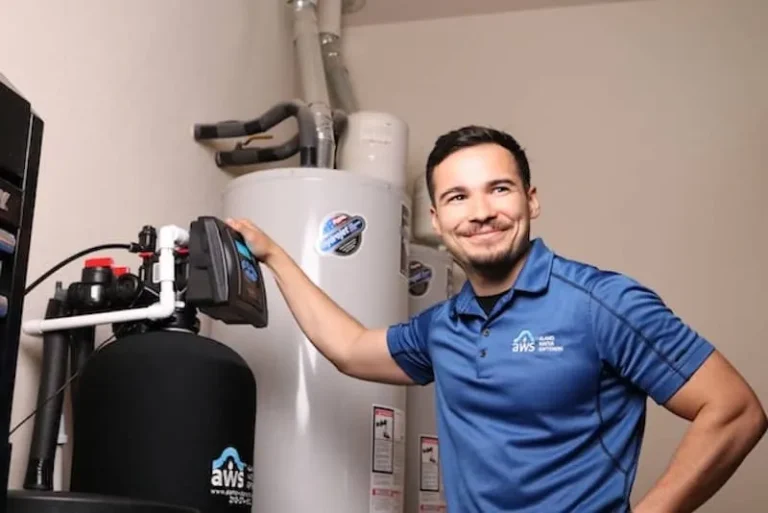
At Alamo Water Softeners, we help families understand what is in their water, identify common water contaminants, and provide proven water treatment solutions. With over 11,000 installs of filtration equipment over the last 5 years, we have deep experience solving San Antonio’s water quality challenges. Contact us today to schedule a water test to get started.
Alamo Water Softeners Offers:
- Professional water testing
- Water softeners for hard water
- Filtration for chlorine, odors, sediment, and other water contamination in San Antonio
- Specialized systems for heavy metals and chemical contaminants
- Customized whole-home water filters
Common Water Contaminants in Drinking Water in Texas
-
Hard Water
Often, Texas homes, especially those in San Antonio, have hard water. This is water that is high in minerals like calcium and magnesium. Signs include:
- White mineral deposits on faucets and showerheads
- Spots on dishes and glassware
- Soap that does not lather well
- Dry skin and hair after showering
- Stiff, scratchy laundry and dull-looking clothes
- Reduced efficiency of water heaters and appliances
- Mineral buildup in pipes and low water pressure
Solutions: Water softener installation can help fix San Antonio water hardness. A softener effectively removes hard minerals from water to protect appliances, plumbing, laundry, and make cleaning easier.
-
Chlorine Taste and Odor
Another common water problem for homeowners is chlorine. Chlorine is added to municipal water to kill harmful bacteria, but it can affect taste and smell. Symptoms include:
- Strong “pool-like” smell from tap water
- Chemical taste in drinking water
- Dry or irritated skin after bathing
- Poor taste in coffee, tea, and cooking
Solutions: Activated carbon filters can reduce chlorine taste, odor, and disinfection byproducts. Reverse osmosis (RO) systems also use carbon filters to reduce chemical tastes and odors.
-
PFAS: “Forever Chemicals”
PFAS are man-made chemicals sometimes called “forever chemicals” because they break down very slowly in the environment. They have been used in products like firefighting foam, nonstick coatings, and industrial materials for decades.
Many homeowners are now asking about PFAS in San Antonio water as part of larger concerns around water contamination. PFAS usually do not affect water taste, smell, or appearance, so they are not easy to detect without advanced testing. The main concern is health risks with exposure to PFAS over time.
Solutions: PFAS can often be reduced with granular activated carbon filters or reverse osmosis.
-
Lead
Lead usually comes from older pipes or fixtures in the home, but it can also come from the aging infrastructure of municipal water systems. Lead has no taste, smell, or color, so testing is crucial to detect it.
Side effects of lead exposure can include:
- Neurological effects, like cognitive decline, memory issues, and attention deficits
- Learning disabilities, hearing issues, and impaired formation and function of blood cells in children
- High blood pressure
- Kidney dysfunction
- Reduced fertility and preterm birth
- Anemia
Solutions: Lab testing confirms whether lead is present in your water. Proper filtration, such as reverse osmosis, can reduce lead in drinking water.
-
Sediment and Cloudy Water
Sediment is made up of tiny particles like sand, silt, or rust that may enter through aging pipes or water system changes. Symptoms include:
- Cloudy water
- Grit or particles in sinks and tubs
- Clogged faucet aerators
- Reduced water pressure over time
- Shortened lifespan of plumbing fixtures
Solutions: A sediment filter captures particles before they reach your pipes, protecting appliances and improving water clarity.
-
Rotten Egg Smell (Sulfur Odor)
Some homeowners notice a strong rotten egg smell caused by hydrogen sulfide gas in their water. Symptoms include:
- Unpleasant smell during showers
- Bad-tasting water
- Smell that worsens when water sits in pipes
- Odor when running hot water
- Slime in the toilet tank and pipes from sulfur-reducing bacteria
Solutions: Sulfur odors can be treated with specialized filtration, such as aeration, carbon filters, or oxidizing filters. Proper testing helps determine whether the source is in your water supply or your water heater. If your water heater is the cause, an anode rod replacement and flushing usually fixes the issue.
-
Iron in Water
Iron is a naturally occurring metal found in many groundwater sources. Symptoms of high iron in water include:
- Orange, reddish, or brown stains in sinks, tubs, and toilets
- Rust-colored water when first turning on the tap
- Metallic taste and smell in drinking water
- Stains on laundry
- Buildup in pipes over time
- Slime caused by iron bacteria
Solutions: High iron is a common San Antonio water problem with a simple solution. It’s treated with specific filtration systems designed to remove metals before staining and buildup occur.
-
Manganese
Manganese often appears alongside iron and can cause darker stains. Symptoms include:
- Black or gray staining on fixtures and silverware
- Staining on laundry
- Specks or buildup in water
- Bitter or metallic taste
- Scaling in pipes and appliances over time
Solutions: Manganese requires targeted filtration based on testing results. Solutions can include oxidizing filters, aeration, and ion exchange with specialized media.
-
Bacteria and Microbial Contaminants
Municipal water is disinfected, but microbial contaminants can still become a concern for Texas homeowners. This is common during water main breaks and flooding events, or for private well owners.
Bacteria in water may include coliform bacteria, E. coli, or other microorganisms that can affect potability. Symptoms of bacterial contamination may include:
- Cloudy or unusual-looking water
- Strange or earthy odors
- Stomach discomfort or illness in some cases
- Water test results showing coliform presence
Unlike minerals or sediment, bacterial problems are not always obvious without testing. The EPA recommends yearly testing for well water users.
Solutions: Bacterial issues are typically treated with UV disinfection or advanced filtration to remove microorganisms. Alamo Water Softeners helps identify microbial risks through lab testing and recommends the right treatment to protect your household.
-
Arsenic in Groundwater
Arsenic can occur naturally in Texas groundwater sources and does not change water’s taste, smell, or appearance. Long-term exposure to arsenic from drinking water can cause:
- Cancer
- Diabetes
- Heart disease
- Skin lesions
- Negative effects on cognitive development (with early childhood exposure)
Solutions: Advanced systems like reverse osmosis are commonly used to reduce arsenic in drinking water.
-
Nitrates
Nitrates are commonly found in private wells and rural water supplies. They can enter groundwater through fertilizer runoff, agricultural activity, animal waste, or septic system leakage.
One challenge with nitrates is that they are invisible. They do not change the taste, smell, or appearance of water, which means many people may not realize they are present without testing. Concerns include:
- Increased risk for homes using well water or living near farmland
- Danger to infants and pregnant women
- Potential health effects with long-term exposure
Nitrates are especially dangerous for infants because they can interfere with how oxygen is carried in the blood, causing “blue baby syndrome,” or methemoglobinemia. This is why nitrate testing is strongly recommended for households with young children that rely on well water.
Solutions: For this common well water problem, the solution we usually recommend is reverse osmosis filtration.
Solutions for Central Texas & San Antonio Water Issues
Water quality isn’t just about meeting set standards. It’s about how water affects your home, daily life, and your family’s health. At Alamo Water Softeners, we believe homeowners deserve clear answers. We educate customers on their water, perform accurate testing, and install systems that solve real water problems.
If you’re ready to tackle San Antonio water contamination, Alamo Water Softeners is here to help. Contact us now to schedule a water test and learn how best to protect your supply!